
Carb cycling lets you alternate high‑and low‑carb days, tailoring intake to activity and goals. A free carb‑cycling meal‑plan PDF offers ready‑made menus, portion guides, and carb‑source suggestions, making it easy to track macros and stay on target.Get the freePDF and start planning now today.

Benefits of Carb Cycling for Weight Loss

Carb cycling delivers a strategic balance between glycogen replenishment and calorie deficit, enabling fat loss while preserving lean mass. By scheduling high‑carb days around intense training, you fuel muscle glycogen, boost insulin sensitivity, and support anabolic pathways. Low‑carb days reduce insulin spikes, encourage lipolysis, and improve metabolic flexibility; Research shows that intermittent carb manipulation can increase resting energy expenditure, enhance mitochondrial biogenesis, and improve insulin responsiveness, all of which accelerate weight loss. A free carb‑cycling meal‑plan PDF simplifies this process by providing pre‑calculated macros, portion sizes, and meal ideas that align with your activity schedule. It eliminates guesswork, reduces the temptation to overeat, and keeps you accountable. Additionally, the visual layout of the PDF helps you track progress, adjust carb loads, and stay motivated. For beginners, the PDF’s step‑by‑step guidance demystifies carb timing, while advanced users can tweak ratios to fine‑tune results. Ultimately, carb cycling offers a flexible, science‑backed framework that supports sustainable weight loss, improves body composition, and preserves performance.

Because the PDF includes a printable chart, you can quickly swap high‑carb and low‑carb days, ensuring that your macro distribution stays within target ranges. It also features a grocery list, snack suggestions, and hydration reminders, making adherence easier. Users report that the visual meal plan reduces stress around food choices and helps maintain consistency during busy weeks. Over time, the structured approach encourages healthier habits, such as mindful eating and balanced macronutrient intake, which further support long‑term weight management.
Track changes weekly to refine carb strategy daily!

Understanding Carb Cycling Phases

Carb cycling divides the week into distinct phases that align carbohydrate intake with training intensity, recovery, and metabolic goals. A typical structure includes high‑carb days, low‑carb days, and sometimes a moderate‑carb day that bridges the two extremes. High‑carb days are scheduled on the most demanding workouts or competition days; they replenish glycogen stores, support muscle protein synthesis, and keep insulin sensitivity high. Low‑carb days follow intense sessions or rest days; they promote fat oxidation, reduce overall calorie intake, and reset hormonal balance. A moderate‑carb day, often placed mid‑week, offers a compromise that sustains energy without triggering excessive insulin release. The free carb‑cycling meal‑plan PDF outlines each phase with clear macro targets, sample meals, and timing cues. By visualizing the phases, users can anticipate nutrient needs, avoid plateaus, and maintain consistent progress. The PDF also includes a printable calendar that labels each day, helping to keep the cycle on track and preventing accidental carb over‑or under‑intake. This structured approach ensures that the body receives the right fuel when it needs it most while still operating in a calorie‑deficit mode for weight loss. Consistency across phases builds metabolic resilience, improves insulin action, and supports sustainable fat loss over time.
Additional guidance in the PDF includes a cheat sheet, macro calculator, prompts to keep motivation and results on track.!!!!!!!
Designing a Free Carb Cycling Meal Plan PDF
Creating a free carb‑cycling meal‑plan PDF starts with defining macro ranges for each phase. The document should list daily targets: high‑carb days (45‑55% carbs, 20‑25% protein, 20‑25% fat), low‑carb days (20‑25% carbs, 35‑40% protein, 35‑40% fat), and optional moderate days (30‑35% carbs, 30‑35% protein, 30‑35% fat). Each page includes a sample menu, portion sizes, and a grocery list. A printable calendar marks high‑, low‑, and moderate‑carb days, helping users stay on schedule. The PDF also offers a macro calculator where users can input weight, activity level, and goals to auto‑generate personalized targets. A cheat sheet summarizes key carb sources: whole grains, legumes, fruits, and starchy vegetables for high‑carb days; leafy greens, non‑starchy veggies, and protein‑dense foods for low‑carb days. Visual cues such as color‑coded sections (green for high, red for low) make the plan intuitive. Additionally, the PDF includes motivational prompts—weekly check‑ins, progress trackers, and tips for staying consistent. By providing a ready‑made, printable resource, the free carb‑cycling meal‑plan PDF removes guesswork, ensures balanced nutrition, and supports sustainable fat loss while keeping calorie intake in check.
Download the PDF from the nutrition portal, print the weekly layout, and use a free app to log macros. Adjust portions if progress stalls, and share results on community forums for support. The clear structure keeps meals flexible and motivation high. daily check‑ins!?

Sample Weekly Carb Cycling Schedule
Monday: High‑carb breakfast, moderate lunch, low‑carb dinner. Tuesday: Low‑carb day. Wednesday: High‑carb. Thursday: Low‑carb. Friday: Moderate. Saturday: High‑carb. Sunday: Low‑carb. Adjust portions per goal. Include a rest day with moderate carbs.!!!

Low‑Carb Day Meal Ideas
Start with a protein‑rich breakfast: scrambled eggs with spinach, avocado, and a side of Greek yogurt. For lunch, opt for a leafy green salad topped with grilled chicken, feta, olives, and a drizzle of olive oil; A hearty dinner could feature baked salmon, roasted asparagus, and a small portion of cauliflower rice. Snacks might include a handful of almonds, cucumber slices with hummus, or a hard‑boiled egg. Keep total net carbs below 30 g by choosing low‑sugar fruits sparingly and avoiding grains; Pair each meal with water, herbal tea, or black coffee to stay hydrated without adding carbs. This balanced approach supports muscle maintenance while promoting fat loss. To keep variety, rotate protein sources like turkey, tofu, or lean beef, and pair them with non‑starchy vegetables such as broccoli, zucchini, and bell peppers. A small handful of nuts or seeds can satisfy cravings while keeping carbs low. Remember to hydrate with at least 2 liters of water daily, and consider electrolytes if you exercise intensely on low‑carb days. On low‑carb days, focus on nutrient density: leafy greens, cruciferous veggies, and lean proteins provide satiety and essential micronutrients. Incorporate healthy fats such as olive oil, avocado, and nuts to support hormone balance and keep energy steady. If you feel sluggish, a small portion of complex carbs such as sweet potato or quinoa can help. Enjoy the variety, stay consistent, and watch your body transform as you master carb cycling.!!!???
High‑Carb Day Meal Ideas
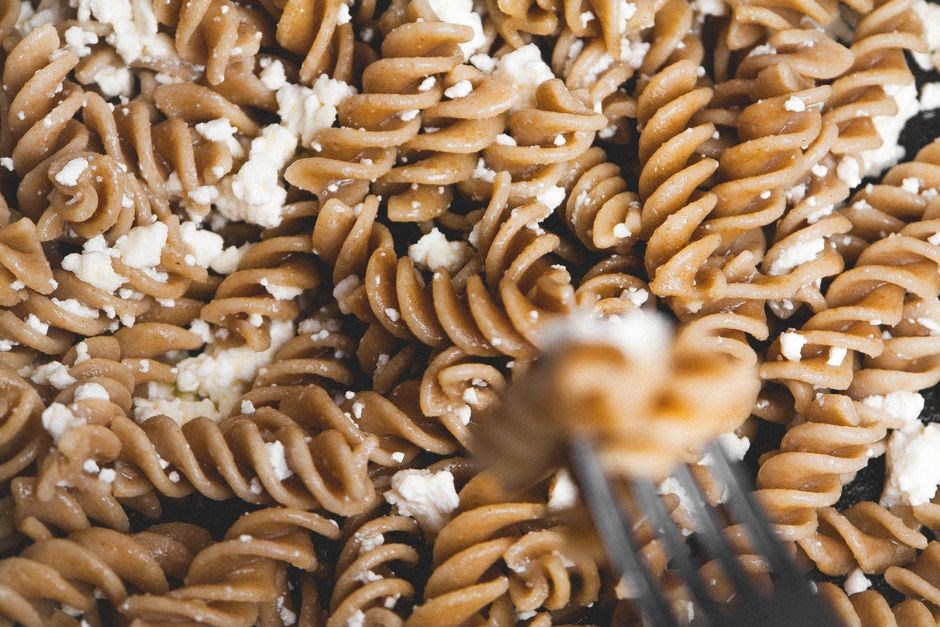
Begin the day with a hearty oatmeal bowl topped with fresh berries, a spoonful of almond butter, and a sprinkle of chia seeds. For lunch, enjoy a quinoa and black‑bean salad mixed with diced bell peppers, corn, avocado, and a lime‑citrus dressing. A mid‑afternoon snack could be a banana paired with a small handful of pumpkin seeds. Dinner might feature a generous portion of whole‑grain pasta tossed with marinara sauce, sautéed spinach, and grilled chicken breast. Finish with a dessert of Greek yogurt blended with honey and a dash of vanilla, topped with sliced kiwi. Throughout the day, keep hydration high with water, infused tea, or sparkling water. This meal plan emphasizes complex carbohydrates, lean proteins, and healthy fats to fuel workouts, support recovery, and promote satiety. Adjust portion sizes to match your activity level and caloric needs. Remember to track macros and stay within your target carb range, ensuring you get the energy required for training while still progressing toward your goals. By aligning carbohydrate intake with training intensity, you can optimize glycogen stores, enhance recovery, and maintain muscle mass. Use the free carb‑cycling PDF to log meals, adjust portions, and stay accountable. Remember, consistency and mindful eating are key to long‑term success. Download the PDF now, print it, start your carb‑cycling journey with confidence and clarity. Remember, consistency beats perfection—track, tweak, and thrive. Your future self will thank you. Start today! Enjoy!.

Protein and Fat Guidelines
When following a free carb‑cycling meal plan, protein and fat play a pivotal role in satiety, hormone balance, and muscle repair. Aim for 1.2–1.6 g of protein per kilogram of body weight on low‑carb days, and 1.4–1.8 g on high‑carb days, ensuring a steady supply of amino acids for recovery. Lean sources such as grilled chicken, turkey breast, fish, and plant‑based proteins keep calories in check while delivering essential nutrients. For each meal, pair protein with a moderate amount of healthy fats—about 20–30 % of total calories—to support nutrient absorption and provide sustained energy. Avocado, nuts, seeds, olive oil, and fatty fish are excellent choices. On low‑carb days, keep total fat around 25–30 % of calories, focusing on mono‑ and polyunsaturated fats. On high‑carb days, increase fat slightly to 30–35 % to maintain energy density without exceeding caloric goals. Avoid trans fats and limit saturated fats to less than 10 % of total intake. Use the free PDF’s macro tracker to log protein and fat grams, and adjust portions as you monitor weight, strength, and energy levels. Consistency in protein intake preserves lean mass, while balanced fats help regulate insulin and support overall metabolic health. Remember to spread protein evenly across meals to maximize muscle protein synthesis. Follow these guidelines, and the free carb‑cycling PDF will guide you toward sustainable, effective nutrition. Use the PDF’s macros to track progress and stay on target daily now.
Choosing the Right Carb Sources
In a free carb‑cycling meal plan PDF, selecting the appropriate carbohydrate sources is essential for balancing energy, satiety, and nutrient density. On low‑carb days, prioritize fibrous vegetables—broccoli, cauliflower, leafy greens, and zucchini—because they provide micronutrients while keeping net carbs minimal. Add a small portion of legumes or beans only if the total carb allotment allows, as they deliver protein and fiber but can quickly raise carb counts. On high‑carb days, incorporate complex grains such as quinoa, brown rice, oats, and barley, which release glucose slowly and support sustained energy for training or daily tasks. Sweet potatoes and squash also offer beta‑carotene and a pleasant taste without excessive calories. For quick spikes in glycogen, include starchy foods like white rice, pasta, or baked potatoes, but monitor portions to stay within the prescribed carb window. Fruits—berries, apples, and citrus—are excellent for antioxidants and natural sugars; they can be chosen in moderation on high‑carb days and limit on low‑carb days. Whole‑grain breads, wraps, and tortillas can be swapped for versions that rise. Finally, always read labels for hidden sugars and fiber content; the free PDF’s macro tracker will help you log net carbs accurately. By aligning carb choices with activity levels and metabolic goals, the meal plan remains effective. Download the PDF, follow the suggested sources, and adjust portions as your body responds to the cycling strategy.
Popular Free Carb Cycling PDFs
When searching for a free carb‑cycling meal plan PDF, several sources stand out for their templates and macro breakdowns. The “Carb‑Cycle Blueprint” from FitLife Academy offers a 12‑week schedule with meal suggestions, portion charts, and a tracker for carbs, protein, and fats. Users praise its format and the sheet that syncs with the PDF. The “Zero‑Waste Carb Cycle” from NutritionHub delivers a focus on whole‑food staples, a grocery list, and a guide to swapping carbs on low‑ and high‑intensity days. The PDF includes a printable “Carb‑Swap Sheet” that helps readers adjust portions quickly. The “Athlete’s Carb Cycle” by MuscleMind targets strength‑training athletes with a 16‑day cycle, a macro calculator, and a section on workout nutrition. The PDF is downloadable in PDF and Word formats, allowing easy customization. The “Balanced Carb Cycle” from HealthyHabits.org is a resource incorporating user feedback and recipes. It offers a PDF, a meal planner, and a progress tracker. All four PDFs are available for instant download from their respective websites, and each includes a FAQ section that addresses common questions about carb timing, portion control, and how to adapt the plan to personal goals while keeping the process and accessible. Download the PDF today and start customizing your carb‑cycling plan to match your training schedule, dietary preferences, and weight‑loss goals. The free resource includes a printable meal planner, a macro calculator, and a progress tracker that helps you stay accountable and see results faster. and track progress;
How to Download and Use a Free PDF
Downloading a free carb‑cycling meal‑plan PDF is simple. Find a trusted source—nutrition blogs, fitness sites, or health‑tech platforms often host a download page. Click the “Download PDF” button; the file will save to your Downloads folder or chosen location. If the link opens in a new tab, right‑click the PDF icon and choose “Save link as…” to keep your desktop tidy. Open the PDF with a viewer that supports annotations (Adobe Acrobat Reader, Foxit Reader, or your browser’s built‑in viewer). Review the table of contents; most plans are organized by week or macro split, making navigation easy.
Print the planner if you prefer a hard copy—most PDFs include a printable version. For digital use, import the PDF into a note‑taking app (Evernote, OneNote, Notion) or a spreadsheet; this lets you highlight or edit sections. To personalize the plan, fill in your weight, height, activity level, and target macros on the “Personal Info” sheet. Adjust portions by scaling the listed grams to match your goals. Use the built‑in tracker to log meals—write down foods, carb grams, and compare them to the plan. If you consistently over or under, tweak the next week’s servings.
Set a weekly reminder to review progress; most plans feature a “Progress Log” page for weight, measurements, and feelings. By following these steps, you’ll turn a free PDF into a tailored carb‑cycling roadmap that adapts to your lifestyle and keeps you accountable. Remember to adjust carb portions based on training intensity and recovery needs, ensuring optimal performance and fat loss.
Customizing the Meal Plan for Personal Goals
Start by entering your weight, body‑fat %, activity level, and dietary preferences into the “Personal Profile” sheet of the free PDF. The template auto‑calculates daily calories and macro ranges. Adjust the macro split: a 35/30/35 ratio suits strength training, while a 25/25/50 split supports endurance. Choose carb sources that fit the day’s intensity—complex grains on high‑carb days, starchy veggies on moderate days, and minimal carbs on low‑carb days. Swap items in the “Food Library” while keeping calories consistent.
Use the “Meal Swap” table to list breakfast, lunch, dinner, and snacks, then mark alternatives that match taste or seasonal availability. This keeps the plan flexible without breaking macro goals. If you have intolerances, cross‑out the offending food and replace it with a suitable alternative; the spreadsheet cells can be edited directly. For athletes, add a pre‑ or post‑workout “Recovery Bite” containing 20–30 g of fast‑digesting carbs and a protein source.
Track progress weekly: weigh, measure waist and hips, and note energy levels. If you plateau, tweak the schedule—add an extra high‑carb day or reduce a low‑carb day by 10 %. Use the “Progress Log” to record changes; the built‑in charts show trends. Stay consistent: success relies on adherence, not perfection. Keep the plan realistic, adjust as life changes, and revisit goals every 4–6 weeks to stay on track.
Remember, the PDF’s features let you adjust portions on the fly, so you can experiment with carb loads daily.
Common pitfalls include over‑complicating the schedule, which leads to confusion and inconsistent results.
Skipping buffer meals causes the body to over‑compensate, upsetting the carb‑cycle balance. Ignoring micronutrients stalls progress, so leafy greens, nuts, and seeds should appear daily. Relying on processed carbs on high‑carb days undermines the plan; opt for whole‑grain oats, sweet potatoes, or brown rice instead. Forgetting hydration reduces glycogen storage and fat oxidation; aim for 3–4 L of water each day. Neglecting rest and sleep hampers recovery and hormonal balance, making carb cycling less effective. Expecting instant results is unrealistic; adaptation takes 4–6 weeks, so patience is essential. Ignoring personal preferences often leads to abandonment; use the “Flavor Swap” table to keep meals enjoyable. Over‑eating on high‑carb days still counts calories, so monitor portions with the calorie counter. Finally, not reviewing progress can cause drift from goals; schedule a weekly assessment to adjust carb loads and macro ratios. Remember, consistency beats perfection; tweak the plan as you learn what your body responds to best. If you hit a plateau, consider cycling a day or two of slightly higher carbs to jumpstart metabolism, then return to your baseline. Also, keep a simple log of how you feel each day; this qualitative data can guide subtle tweaks without overcomplicating the plan. Stay flexible, stay focused. Stay on
Tracking Progress and Adjusting Carbs
Tracking progress with a free carb‑cycling meal‑plan PDF requires a systematic approach. Begin by recording baseline metrics—weight, body‑fat percentage, waist circumference, and resting metabolic rate—using a reliable scale and calipers. Next, log daily intake with the PDF’s built‑in macro tracker, noting total calories, protein, fat, and carbohydrate grams. Use a smartphone app or a spreadsheet to keep entries consistent. Every week, review the data: compare weight trends, body‑fat changes, and energy levels. If weight loss stalls or muscle loss appears, consider increasing protein by 5–10 % of total calories or adding a high‑protein snack on low‑carb days; Conversely, if energy dips during high‑carb days, slightly raise carbohydrate grams or shift a portion to complex sources like quinoa or barley. Adjustments should be incremental—5–10 % changes per week—to avoid shocking the system. Track subjective metrics such as sleep quality, mood, and workout performance; these can signal hormonal shifts that raw numbers miss. Use the PDF’s “Progress Log” sheet to mark milestones and note any cravings or digestive issues. Periodically re‑calculate macro targets based on updated weight and body‑fat percentages; many free PDFs include a calculator for this purpose. If you hit a plateau after 4–6 weeks, cycle a “re‑feed” day with 20–25 % more carbs than usual, then return to the original schedule. Finally, maintain motivation by sharing weekly summaries with a workout partner or online community; accountability often translates into sustained adherence. Remember to adjust macros based on training load and recovery status keep gain steady.
and Next Steps
After exploring the free carb‑cycling meal‑plan PDF, you’re equipped with a flexible framework that balances macros, supports fat loss, and preserves lean mass. The next step is to integrate the plan into your daily routine: start by downloading the PDF, printing the meal sheets, and setting up a simple log sheet or app to track intake. Schedule weekly check‑ins to review weight, body‑fat, and energy levels, and adjust carb days as needed. If you’re training, align high‑carb days with intense sessions and low‑carb days with recovery or light activity. Keep a food journal to catch hidden sugars or over‑portioning. Stay hydrated, prioritize sleep, and consider supplementing with electrolytes on low‑carb days to maintain performance. Additionally, experiment with different carb sources—sweet potatoes, brown rice, oats, legumes—to keep meals interesting and nutrient dense. Track how each source affects satiety and performance, and swap accordingly. If you hit a plateau, try a brief carb‑re‑feed cycle or increase protein slightly to stimulate muscle repair. Also, consider consulting a registered dietitian for personalized tweaks. Keep the PDF handy as a reference, and update it quarterly to reflect new goals or lifestyle changes. Remember, consistency beats perfection; small, sustainable tweaks will lead to lasting results. Download the PDF now, set your goals, and begin cycling toward a leaner, stronger you. Track your progress with a simple spreadsheet, noting changes in strength and endurance. If you notice fatigue, adjust carb timing or increase protein. Stay flexible and enjoy the process. Remember, small adjustments make a big difference. Stay consistent!